On 11 November 2026 Alibaba opened public access to Qwen4-Max Preview (model ID qwen4-max-preview). This is the first model in the Qwen 4 series to become available. Access is currently provided through Alibaba’s Token Plan and selected official products (QwenWork, Qoder, the Qwen App, and QwenStudio). The preview window runs until 24:00 on 25 November 2026 (UTC+8).
This is a meaningful milestone. After months of stage mentions, architectural previews, arena checkpoints, and private tester reports, a model carrying the Qwen 4 name is now callable by users. At the same time it is important to be precise: only the Max tier preview is live. Qwen4-Plus, Qwen4-Flash, and the open-weight Qwen4-27B have not been released. No weights have appeared on Hugging Face or ModelScope, and standard pay-as-you-go pricing is not yet available.
The remainder of this post records what is confirmed, preserves the early preview observations that circulated before the public launch, and outlines the practical implications for different types of users.
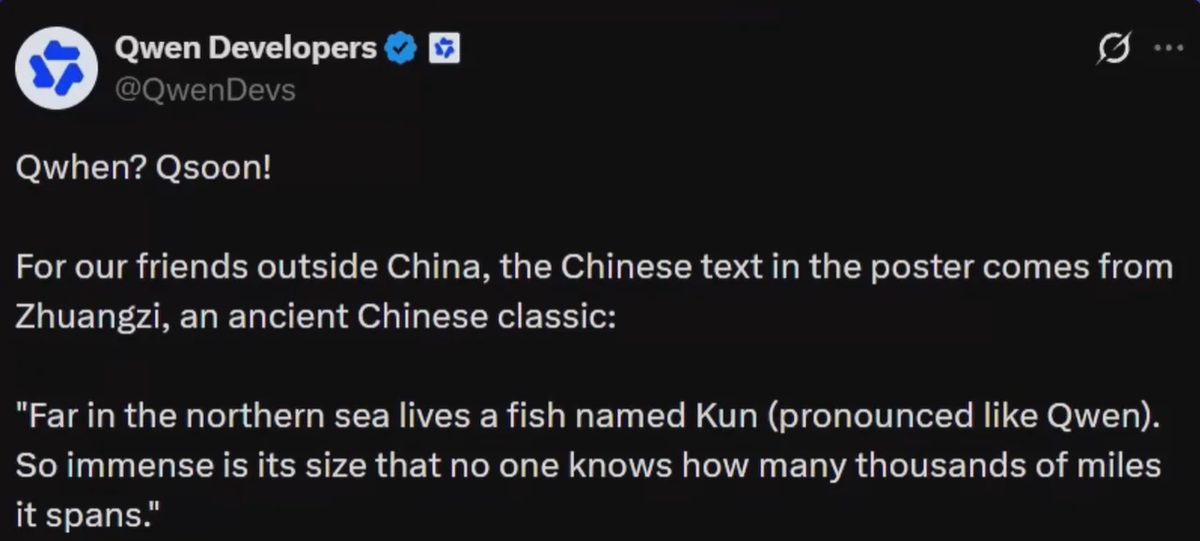
What Is Available Today
Alibaba’s announcement describes Qwen4-Max Preview as delivering deeper knowledge, richer world understanding, and stronger coding and agentic capabilities. Official documentation lists a 1-million-token context window, multimodal (text / image / video) input, tool calling, structured output, and thinking mode.
Early users with Token Plan access report that the model produces noticeably higher-quality multi-file web and agent-style outputs than the previous Qwen3.8 generation on comparable prompts. Token efficiency and visual/structural coherence continue to be frequently mentioned strengths.
These reports are still qualitative. Independent, controlled benchmarks on fixed hardware and task sets have not yet been published.
Early Preview Observations (Pre-Public Launch)
In the days leading up to the 11 November release, early partners and beta testers shared a series of demonstrations that gave the first concrete look at the model’s behaviour. Those observations remain useful context and are summarised here without change.
The level of detail across multiple prompts was remarkable, particularly on web-development and agent-coding tasks. One of the more striking examples was a Minecraft-style browser experience that included shaders, a day/night cycle, an inventory system, water dynamics, breathing mechanics, a health bar, multiple biomes, mobs, sound effects, creative mode, lava, and diamond ore. Cave systems and varied terrain were also generated on request.
Another demonstration produced a highly detailed Roman Coliseum scene complete with spectators, intricate architecture, atmospheric lighting, and flickering elements. The generation used High thinking mode and consumed roughly 69k tokens.
Further tests included:
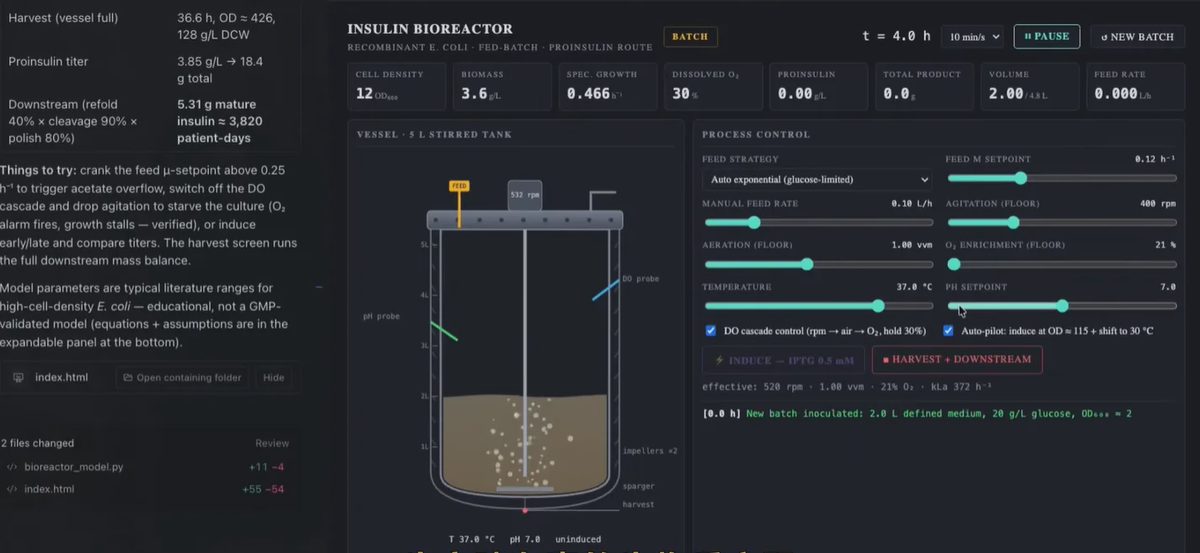
An interactive bioreactor simulation that first wrote a Python growth model, verified the calculations, then wrapped the model in a controllable environment (oxygen, temperature, pH, stirring, feed rates). The simulation reported batch yields and triggered alarms when parameters left safe ranges.
Side-by-side 2D RPG village HTML generations against a strong closed model; the Qwen output showed stronger overall composition and environmental coherence.
Additional generations covering a Call of Duty-style shooter prototype, voxel landscapes with lighting cycles, a Three.js boat scene with realistic water and lighting, a 3D aquarium, and an animated SVG of a giraffe riding a bicycle with a rhino passenger.
Across these tests, raising thinking effort from High to X High or Max produced a clearer quality improvement than was typical with earlier Qwen generations, at the cost of longer latency. On several web-development tasks the model also appeared more token-efficient than contemporaneous open-weight competitors.
These results sit in a qualitatively strong band for creative and agentic front-end work. They are not controlled benchmarks, and exact model size, sampling parameters, and hardware details were not fully disclosed at the time.
What Has Not Shipped
Open-weight checkpoints of any size
Qwen4-27B (the tier most relevant to local inference)
Qwen4-Plus and Qwen4-Flash
Permanent, non-preview API availability or public pricing
Official model cards, safety evaluations, or detailed architecture papers for the final models
Teams that need to run models locally today remain on the Qwen3.8 series.
Practical Implications
Hosted / API users
If you have or can obtain Token Plan access, you can begin testing real workloads against qwen4-max-preview immediately. Keep application code behind an OpenAI-compatible interface so that migration to a future general-availability endpoint (or to another provider) stays inexpensive. Note the hard end date of 25 November; any production experiment built on the preview will need a migration plan.
Local / open-weight users
Nothing has changed for local deployment. The 27B open-weight model named on stage in September is still unreleased. Continue evaluating on Qwen3.8-27B and keep serving stacks flexible. When weights eventually appear, the same thin OpenAI-compatible layer will allow a low-friction swap.
Teams focused on agentic or front-end workloads
The early qualitative signals on coding, interactive simulations, and multi-file generation remain encouraging. If those are primary use cases, the current preview is worth exercising while it is available. Capture prompts, outputs, token counts, and failure modes now so a clear baseline exists when permanent models arrive.
Recommended Next Steps
If Token Plan access is available, run a small, representative set of your own tasks against qwen4-max-preview and log the results.
Keep all application code behind an OpenAI-compatible client.
Continue testing the existing open Qwen3.8 models so a clear before/after comparison is possible when the 27B (or other open) weights appear.
Watch the official Qwen Hugging Face organisation and Alibaba Cloud Model Studio for the first permanent model IDs and any open-weight drops.
Qwen 4 is no longer “coming soon.” The Max preview is live today. That fact is worth registering. At the same time, the open-weight tiers and permanent availability that matter most to many self-hosted and cost-sensitive deployments have not yet arrived. The practical posture therefore remains unchanged: test what is actually available, keep interfaces thin, measure against the workloads you run, and wait for the rest of the family to ship before making larger infrastructure commitments.




No comments yet — be the first to share a thought.